
Pitru Paksha Katha & Where to Perform Shraddha
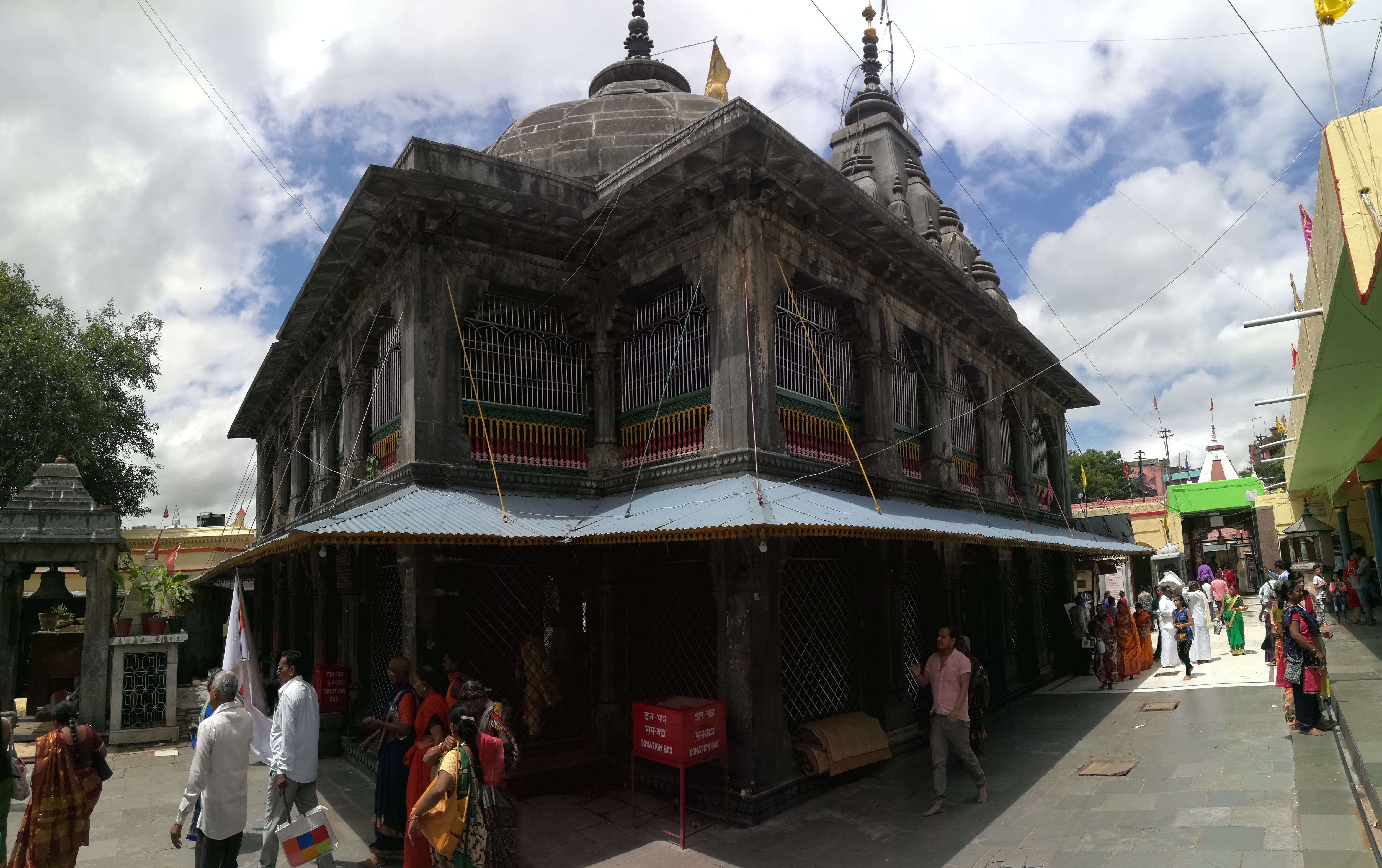
Karna's story, the tradition of Gaya, and a practical guide to Shraddha at Ramkund and Trimbakeshwar in Nashik.
Why is Shraddha performed in a fortnight of its own? The traditional answer is the Pitru Paksha katha — the story of Karna from the Mahabharata — and the belief in sacred places where offerings to ancestors are held to be especially meaningful. This article tells the katha in full, lists the best-known places for Shraddha and pind daan across India — Gaya, Varanasi, Prayagraj, Haridwar — and gives a practical guide to performing Shraddha in Nashik: Ramkund and Trimbakeshwar during Pitru Paksha 2026. Everything is presented as religious tradition and legend, not as history or guaranteed outcome.
Running a hotel, parking lot, or restaurant near the Kumbh Mela route? Check out our AI Tools for Providers to list your business with AI Kumbh Sahayak.
The Pitru Paksha Katha — The Story of Karna
Karna, the great warrior of the Mahabharata, was known above all for his generosity — he gave away gold, jewels, and wealth without measure. When he died in the war and reached heaven, the story goes, he was given gold and jewels in place of food, and everything he tried to eat turned to gold. Hungry, he asked why.
In the version most commonly told, Indra or Yama explained that although Karna had donated endless wealth, he had never donated food — and he had never offered any in memory of his ancestors, since he had not known who they were (Karna was raised away from his birth family). His sons had also died in the war, so there was no descendant to offer anything on his behalf.
To set things right, Karna was allowed to return to earth for a fortnight — 14 or 15 days depending on the source. He fed the poor, offered water and food, and performed the rites for his ancestors, including those he had never known. He then returned to heaven and, according to the story, finally received food. That period, the tradition says, became Pitru Paksha (Mahalaya Paksha), the fortnight in which descendants offer food and water to their ancestors. Different retellings vary in the details (who explained the rule, how many days), which is normal for an oral legend.
Other Stories Linked to Shraddha
- Rama and Dasharatha at Ramkund: a Nashik tradition holds that Lord Rama performed Shraddha for his father, King Dasharatha, at Ramkund on the Godavari during the Panchavati exile. This is a local legend that gives Ramkund its association with ancestral rites.
- Gayasura and Gaya: tradition says Lord Vishnu granted the demon Gayasura a boon that made the place of his body — Gaya — a site where offerings to ancestors are especially auspicious. According to the Vayu, Agni and Vishnu Puranas and the Mahabharata (as cited by pilgrim sources), pind daan at Gaya is said to bring liberation to ancestors across many generations. These are articles of faith.
Best-Known Places to Perform Shraddha in India
- Gaya, Bihar: regarded as the foremost place for pind daan; rites are done at Vishnupad Temple and on the Phalgu river. A Pitru Paksha Mela is held here each year for about 18 days in September–October.
- Varanasi (Kashi), Uttar Pradesh: pind daan at Manikarnika Ghat and rites at Pishach Mochan Kund, associated in tradition with peace for restless or untimely-departed souls.
- Prayagraj: at the Triveni Sangam of Ganga, Yamuna and Saraswati.
- Haridwar & Rishikesh: Har Ki Pauri and the Ganga ghats, popular for shraddha and asthi visarjan.
- Rameswaram, Tamil Nadu: tarpan associated with its sacred wells (teerthams).
- Siddhpur, Gujarat: noted for the Shraddha of the maternal ancestors.
- Nashik and Trimbakeshwar, Maharashtra: the Godavari's ghats and the source of the river — see below.

Shraddha in Nashik — Ramkund, Panchavati and the Godavari
Nashik is one of Maharashtra's most important places for ancestral rites. Ramkund, in Panchavati on the Godavari, is where families traditionally come for tarpan, pind daan, and Shraddha guided by local pandits, and it is closely tied to the Rama-Dasharatha tradition above. Each Sarva Pitru Amavasya, thousands gather here; in 2026 that day is Saturday, 10 October, with the afternoon Aparahna window the traditionally preferred time.

Shraddha at Trimbakeshwar — Kushavarta, Narayan Nagbali & Tripindi
Trimbakeshwar, about 28 km from Nashik, is home to the Trimbakeshwar Jyotirlinga and to Kushavarta Kund, held in tradition to be the source of the Godavari — the name is linked to the story of Sage Gautama who used kusha grass (darbha) to guide the river. Many families come to Trimbakeshwar during Pitru Paksha for Shraddha, pind daan, and tarpan.

Trimbakeshwar is also known for two special rites that are different from the annual Pitru Paksha Shraddha:
- Narayan Nagbali: a multi-day ritual (a minimum of about three days) performed in tradition for ancestors who met an untimely or unnatural death, and to atone for the killing of a serpent (Nag Bali). It is done only once for a family, on specific dates chosen by the priest, and is not part of the routine yearly Shraddha.
- Tripindi Shraddha: a rite performed, according to tradition, when there is a belief of unrest connected with ancestors across generations or lineages; again a special ritual, not the ordinary annual observance.
Please note: whether you need either of these rites is a matter of your family's own belief and your priest's advice — the ordinary Pitru Paksha Shraddha does not require them. If you do decide to book, deal with a recognised, registered priest, ask the cost in advance, and be wary of anyone who pressures you or promises specific outcomes.
Practical Tips for Shraddha in Nashik (Pitru Paksha 2026)
- Arrive early — crowds are heaviest on Sarva Pitru Amavasya (10 October) and Matri Navami (4 October).
- Ramkund is undergoing Kumbh Mela preparation works. Ghat areas and ritual locations can change from year to year, and in some recent years ceremonies have been shifted to nearby ghats; confirm the current arrangement with your pandit or the local municipal office.
- Carry your own samagri or confirm what the priest provides — see the samagri list.
- Plan stay and parking early — Nashik and Trimbakeshwar fill up around the Amavasya; book hotels, parking, and meals through the buttons below.
- Keep the timing in mind: Aparahna Kaal is the preferred window — see the 2026 calendar and muhurat.
For the full step-by-step ritual, see Shraddha Vidhi: Tarpan & Pind Daan Step by Step; for the meaning behind it, see What Is Shraddha? Pitru Paksha Meaning & Significance.
Frequently Asked Questions
Why did Karna have to perform Shraddha in Pitru Paksha?
According to the legend, he had given gold but never food, and never honoured his ancestors; he was sent back to earth for a fortnight to make up for it, which became Pitru Paksha.
Is Nashik a good place for Shraddha?
Yes — Ramkund on the Godavari and Trimbakeshwar are among Maharashtra's best-known places for Shraddha and pind daan, though the rite is equally valid at home according to tradition.
What is the difference between Shraddha and Narayan Nagbali?
Shraddha is the annual ancestral rite done in Pitru Paksha or on death anniversaries. Narayan Nagbali is a special, multi-day ritual done once for particular circumstances, traditionally at Trimbakeshwar.
Do I have to go to Gaya?
No. Gaya is regarded as especially meritorious, but Shraddha performed at home or at a local river is fully valid.
Coming to Kumbh Nashik? Book Hotels, Parking & Restaurants
Plan the rest of your trip right here — chat with our AI assistant for an instant recommendation, or browse and book hotels, parking, event passes, and restaurants directly.
Running a hotel, parking lot, or restaurant near the Kumbh Mela route? Check out our AI Tools for Providers to list your business with AI Kumbh Sahayak.
Ready to plan your Kumbh Mela trip?
Book hotels, parking, and event passes near Ramkund in one AI chat.
