
What Is Hartalika Puja? Meaning, Significance, Vidhi and Muhurat
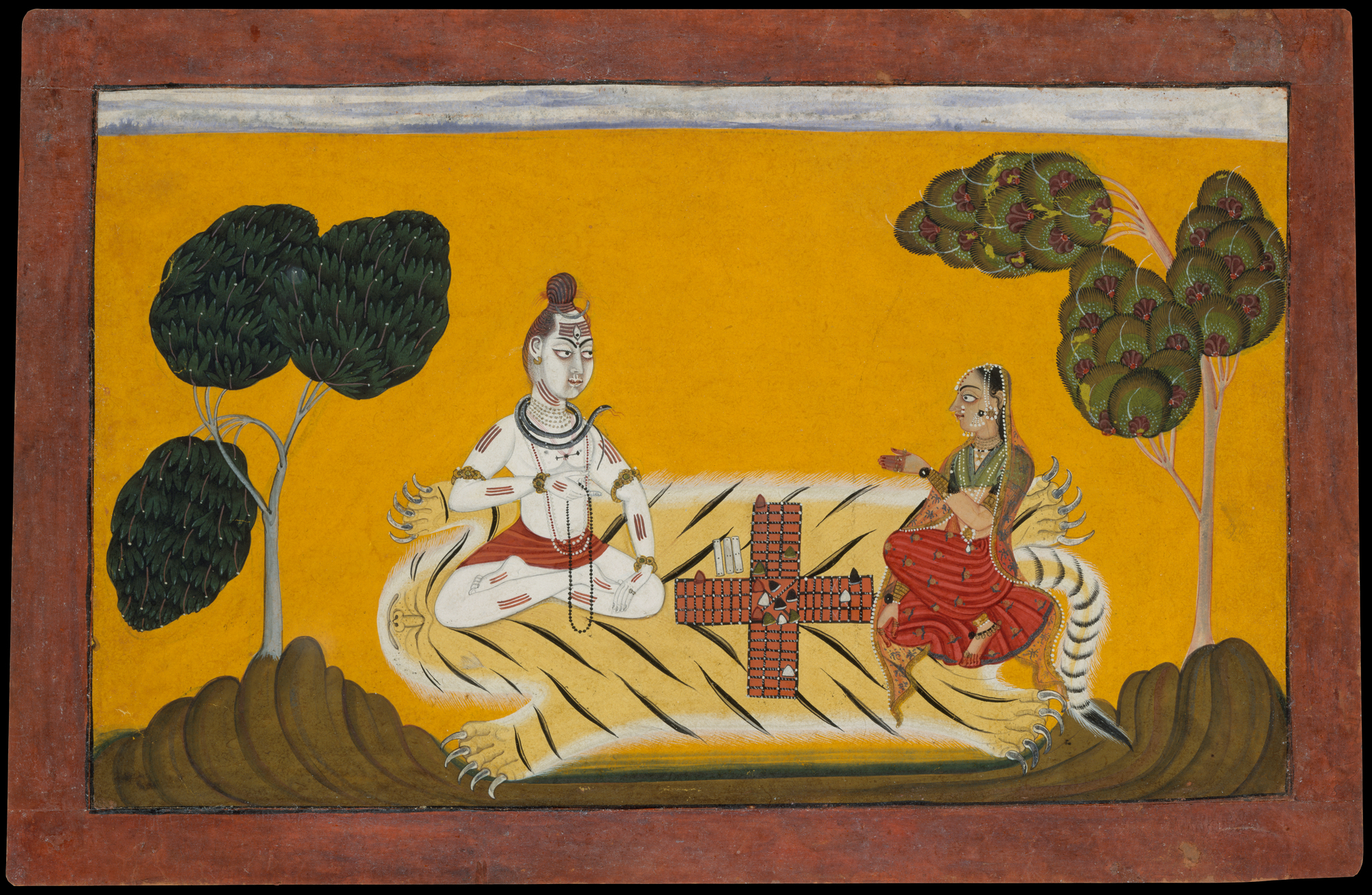
Everything to know about Hartalika Teej — its meaning, why it's observed, the 2026 date and puja muhurat, and a full step-by-step vidhi and samagri checklist.
A day before Ganesh Chaturthi arrives, in millions of homes across North and Western India, women wake before sunrise, bathe, dress in green or red, and begin a fast they will not break until the next morning — not even a sip of water in between. This is Hartalika Puja, one of the most rigorous vrats (religious fasts) in the Hindu calendar, and also one of the most quietly powerful — a festival built entirely around one goddess's refusal to compromise on who she loved.
Hartalika Puja 2026: Date and Muhurat
In 2026, the Bhadrapada Shukla Tritiya tithi begins at 7:08 AM on 13 September and ends at 7:06 AM on 14 September. Because Hartalika Teej is conventionally observed on the day the Tritiya tithi is present at sunrise (Udaya Tithi), most Panchang sources place the 2026 observance on Monday, 14 September 2026 — the day immediately before Ganesh Chaturthi. A few sources list 13 September instead, since Panchang conventions can differ slightly by region and tradition, so it's worth confirming the date against your own family's or local temple's Panchang closer to the day.
The Pratahkal (early morning) Puja Muhurat for 2026 is commonly listed as roughly 6:05 AM to 7:06 AM for North Indian cities, and approximately 6:25 AM to 7:06 AM for Mumbai and the wider Maharashtra region — again, exact minutes shift by your specific city's sunrise time, so a local Panchang is the most reliable final word.
Hartalika Vrat Vidhi — Step by Step
- Wake before sunrise and bathe, then dress in fresh clothes — green or red is considered especially auspicious for this vrat.
- Shape small idols of Shiva and Parvati from clay or riverbank sand, placed together on a clean, decorated platform.
- Offer bilva (bael) leaves, flowers, fruits, incense, and a lit diya to the idols, along with vermilion (sindoor) and turmeric for Parvati specifically.
- Recite or listen to the Hartalika Vrat Katha — the story of Parvati's penance — as part of the puja.
- Keep the nirjala fast through the full day and the following night, typically staying awake through the night in prayer, bhajans, and the aarti.
- Break the fast (paarana) the next morning, only after the closing puja and aarti are complete.

Puja Samagri — What You Need
A typical Hartalika Puja samagri list includes: clay or river sand for the Shiva-Parvati idols, a wooden platform (chowki) covered with a clean cloth, bilva leaves, a variety of flowers, fruits, betel leaves and nuts, incense sticks and a diya with ghee or oil, vermilion, turmeric, kumkum, and rice (akshata), a coconut, and a small cloth or new sari that can be offered to Parvati as part of the puja.
Everything to know about Hartalika Teej beyond the date, muhurat, and vidhi above: its meaning, why it's observed, the nirjala fast's demands, and how it connects to the festival that follows it.
What Is Hartalika Puja?
Hartalika Puja — also called Hartalika Teej — is a Hindu vrat observed on the Shukla Paksha Tritiya (third day of the waxing moon) of the Bhadrapada month, which falls in August-September on the Gregorian calendar. The name itself carries the story: "Hartalika" combines "Harat" (abduction) and "Aalika" (female friend), referring to the episode in which Goddess Parvati's closest friend spirited her away into the forest to save her from a marriage she never wanted — so she could continue her penance to win Lord Shiva as her husband instead.
The puja itself centres on jointly worshipping Shiva and Parvati, usually represented by small hand-moulded idols of clay or river sand, alongside a full night of prayer, singing, and fasting.
Why Is Hartalika Puja Observed?
At its heart, Hartalika Puja celebrates the union of Shiva and Parvati — held up in Hindu tradition as the ideal of marital devotion, achieved not through convenience but through Parvati's own unwavering resolve. Married women observe the vrat for the health, long life, and well-being of their husbands; unmarried women observe it praying for a husband as devoted and suitable as Shiva himself. Both groups are, in effect, repeating Parvati's own act: choosing devotion over ease, and holding to it without compromise.
The fast is also considered one of the most spiritually demanding a woman can undertake voluntarily in the Hindu calendar — a nirjala vrat, taken without food or even water, which is precisely why it's treated with such reverence within the households that keep it.

The Nirjala Vrat — What to Know Before You Begin
Because Hartalika's fast allows no food and no water for a full day and night, it's considered one of the more physically demanding vrats in the calendar, and is generally not recommended without adequate preparation — hydrating well in the days beforehand, and, for anyone with a medical condition that makes a waterless fast risky, consulting a doctor and considering a modified version (some households allow fruit or milk for women who cannot safely observe the strict nirjala form) rather than skipping the spiritual observance altogether.
Hartalika and Ganesh Chaturthi: The Maharashtra Connection

In Maharashtra specifically, Hartalika's timing carries extra weight: it falls the evening and night immediately before Ganesh Chaturthi, meaning the household that keeps an all-night Hartalika vigil often moves straight into welcoming Ganpati the very next morning. In 2026, with Ganesh Chaturthi also falling on 14 September per most Panchang sources, many Maharashtrian families experience these two observances as one continuous stretch of devotion — Gauri (Parvati) honoured through the night, and her son Ganesha welcomed home at first light.
Ready to Plan Your Puja?
Whether you're observing Hartalika for the first time or the fortieth, getting the date, muhurat, and samagri list right in advance makes the actual day far less stressful.
Must Read: Hartalika Puja Vrat Katha and Aarti — The Complete Story and Devotional Songs — the full traditional story of Parvati's penance, plus the complete Hindi and Marathi puja aartis.
Coming to Kumbh Nashik? Book Hotels, Parking & Restaurants
Plan the rest of your trip right here — chat with our AI assistant for an instant recommendation, or browse and book hotels, parking, event passes, and restaurants directly.
Sources
Ready to plan your Kumbh Mela trip?
Book hotels, parking, and event passes near Ramkund in one AI chat.
