Diwali 2026: Traditional Customs for Wealth and Prosperity During Lakshmi Puja
Rangoli, the kalash, the broom, chopdi pujan and giving: the traditional Diwali customs for prosperity — what each means, with the money habits that actually help.
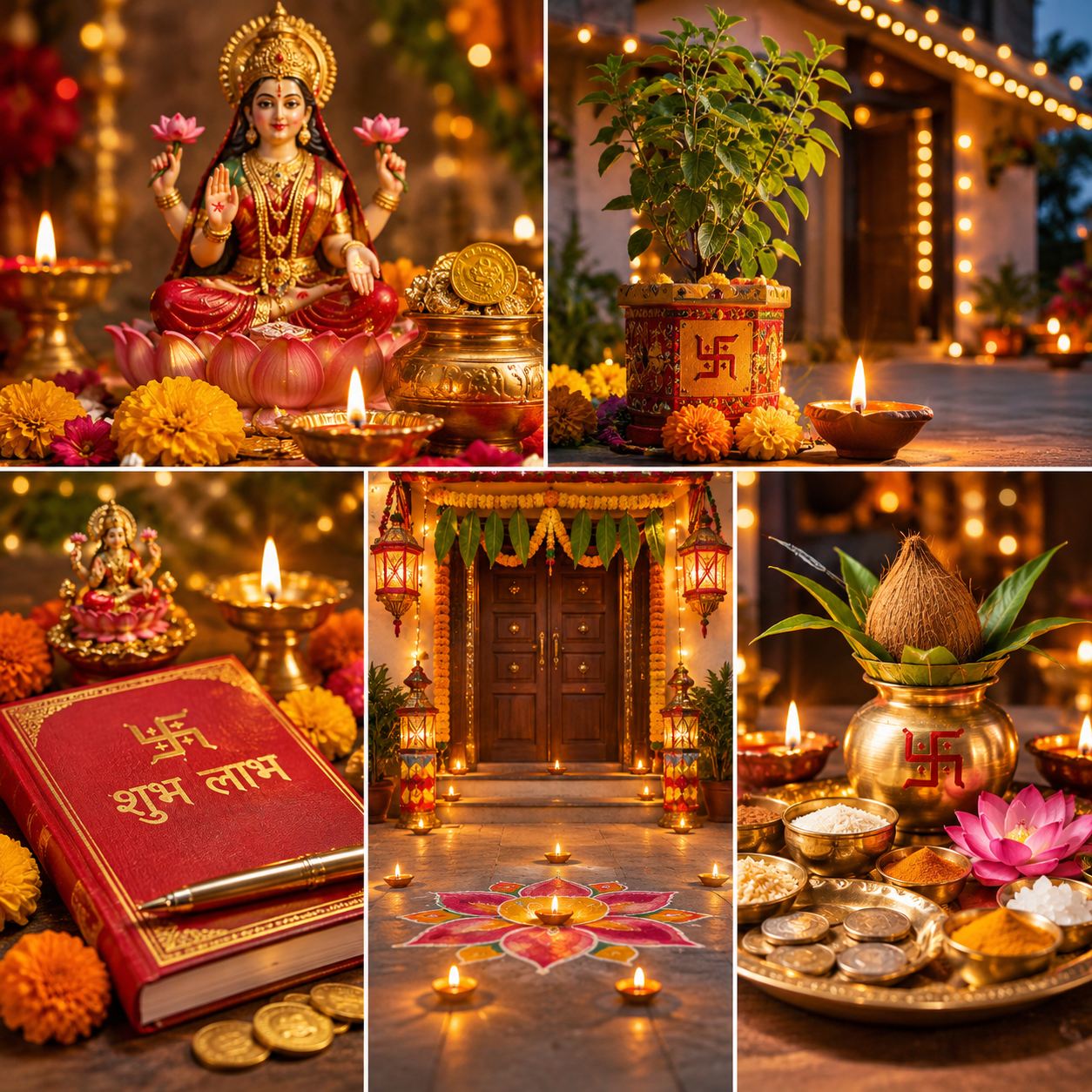
No ritual can guarantee wealth. What Diwali offers are traditional customs for welcoming prosperity: a clean and lit home, rangoli with Lakshmi’s footprints, the kalash, worship of the broom and the account books, a lamp at the door and tulsi, and giving. They are done in the Lakshmi Puja evening, which in Nashik is 6:22 PM to 8:22 PM on Sunday, 8 November 2026 (Drik Panchang, IST). This guide explains each custom as belief and pairs it with a sound money habit.
Last updated: 3 November 2026
First, an honest note about “remedies”
The word upay (remedy) is often used online to promise money, a job or an end to debt. No custom, mantra, object or puja can promise that, and nothing here does. The customs below are part of Hindu tradition and are done as an expression of gratitude and hope. We have added the practical side of each, because lasting prosperity at home depends on how money is earned, saved and shared.
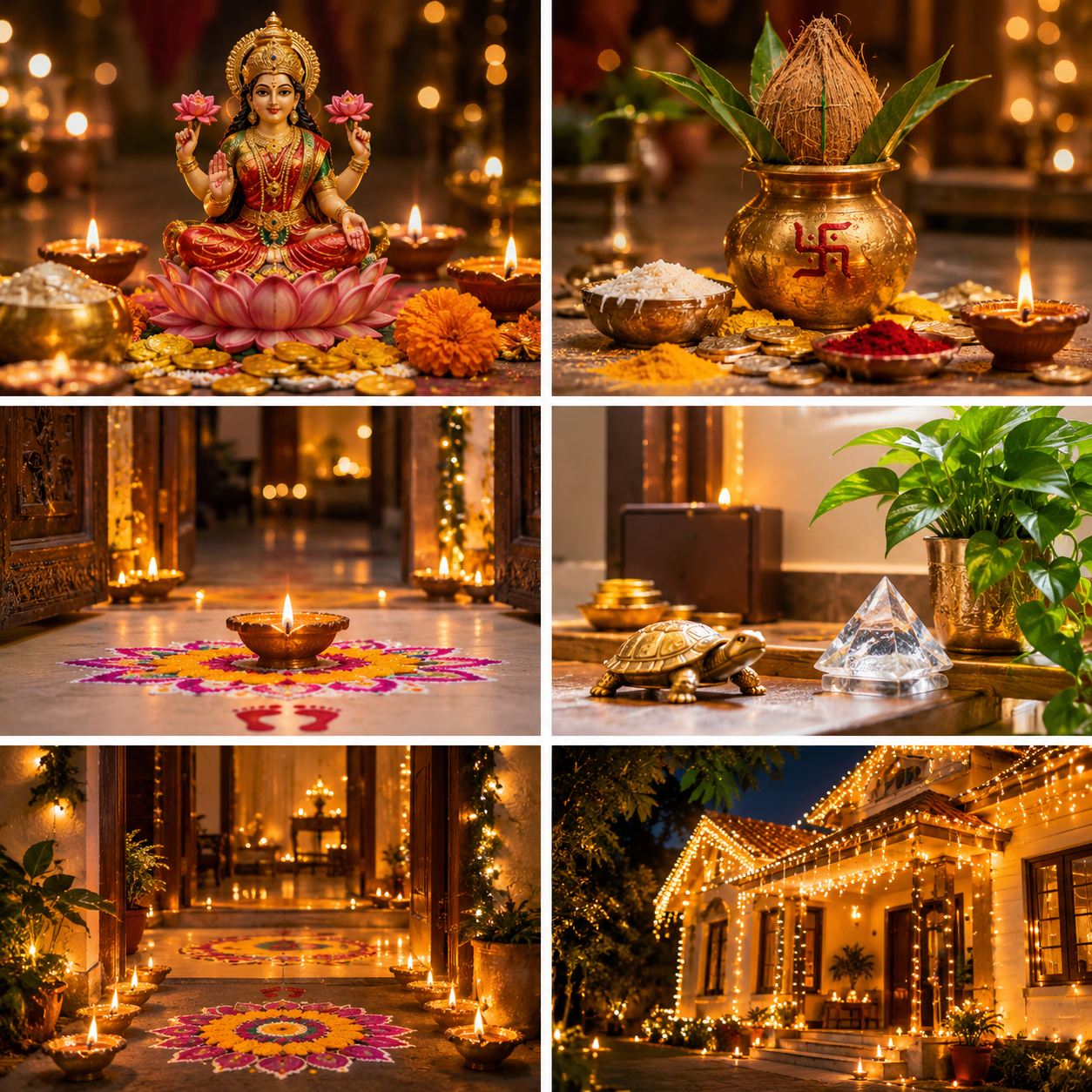
Traditional Diwali customs for prosperity at a glance
| Custom | What is done | The belief | A practical habit |
|---|---|---|---|
| Clean, lit home | Declutter, clean and keep every room lit from sunset | Lakshmi visits clean, bright homes | Clear clutter, repair what is broken and review the year’s spending |
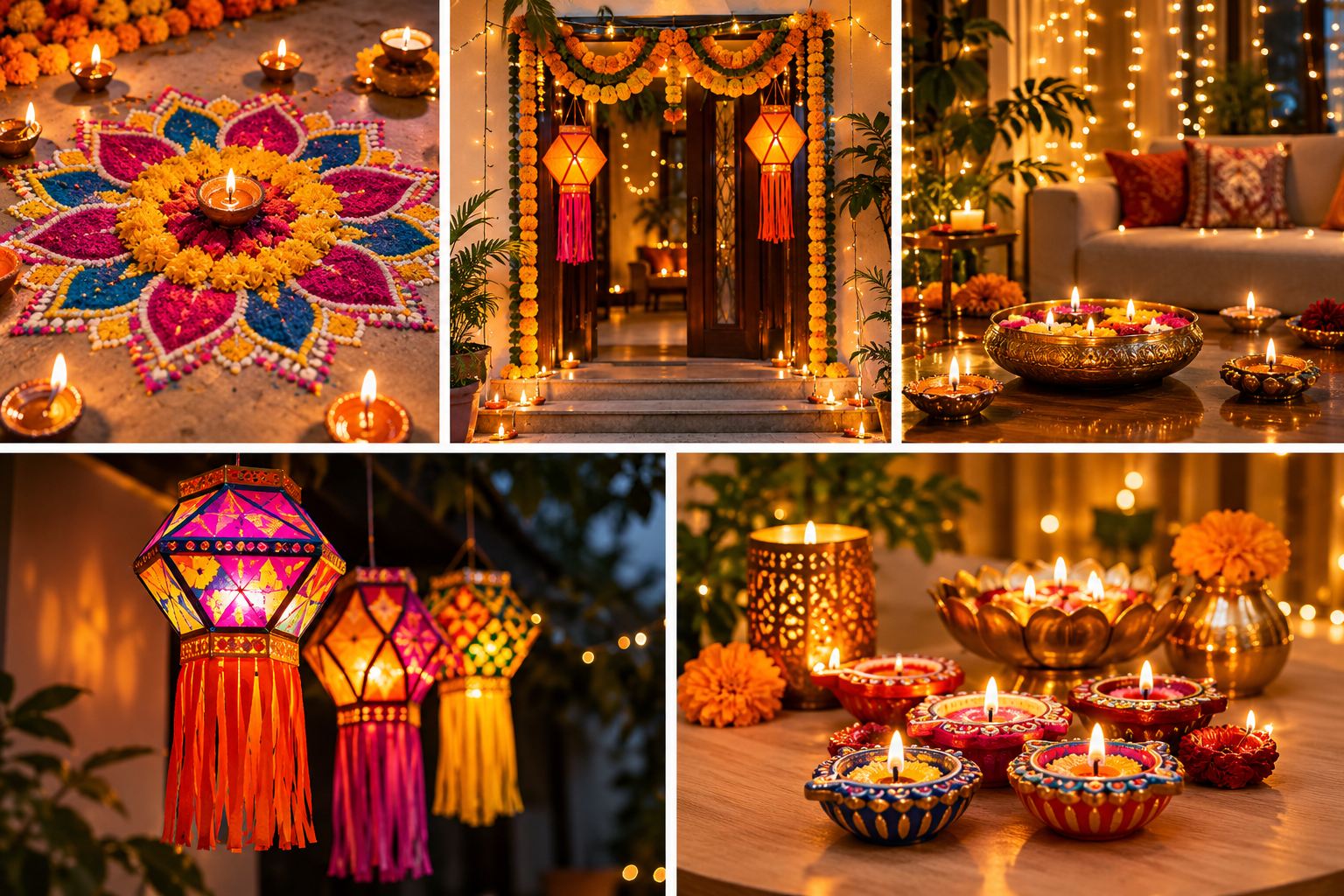
| Rangoli with Lakshmi’s footprints | Draw a rangoli at the entrance and small footprints pointing inwards | Welcomes Lakshmi into the house | Use natural colours; involve the children |
| Kalash | Place a pot of water with mango leaves and a coconut on the chowki | Symbol of abundance | Keep the puja area tidy and ready |
| Broom (kersuni) puja | Offer kumkum and a flower to a new broom | The broom keeps the house clean and stands for Lakshmi’s arrival | Clean thoroughly before the puja |
| Tulsi lamp | Light a diya near the tulsi plant in the evening | Tulsi is dear to Vishnu and to Lakshmi | Water and tend the plant regularly |
| Chopdi pujan | Worship new account books with “Shubh Labh” and a swastika | Starts a new business year with blessings | Start a clean, accurate set of accounts |
| Coin in rice or kalash | Place a coin in rice or in the kalash during the puja | A sign of stored prosperity | Set a savings goal for the year |
| Diyas at the door | Light lamps at the main door, courtyard and balcony | Light drives out darkness and welcomes Lakshmi | Switch to reusable clay diyas |
| Giving | Share faral, sweets, clothes or food with others | Wealth grows through sharing | Plan a fixed amount for charity |
Welcoming Lakshmi: a step-by-step home preparation
- Clear the clutter a few days before. Donate clothes and items you no longer use.
- Clean and repair. Dust, wash and fix leaky taps, broken bulbs and torn curtains. Many families whitewash or paint.
- Draw the rangoli at the entrance and add a pair of small Lakshmi footprints pointing into the house.
- Decorate the door with a toran of mango leaves and marigold, and keep the door well lit.
- Set up the chowki with the Lakshmi–Ganesh idols, the kalash and the puja thali before sunset.
- Light the lamps at the door, the courtyard, the balcony and near the tulsi at sunset.
- Perform the puja in the Pradosh muhurat. The full vidhi is in our Lakshmi Puja 2026 guide.
- Share the prasad and faral with the family, neighbours and anyone who comes to the door.
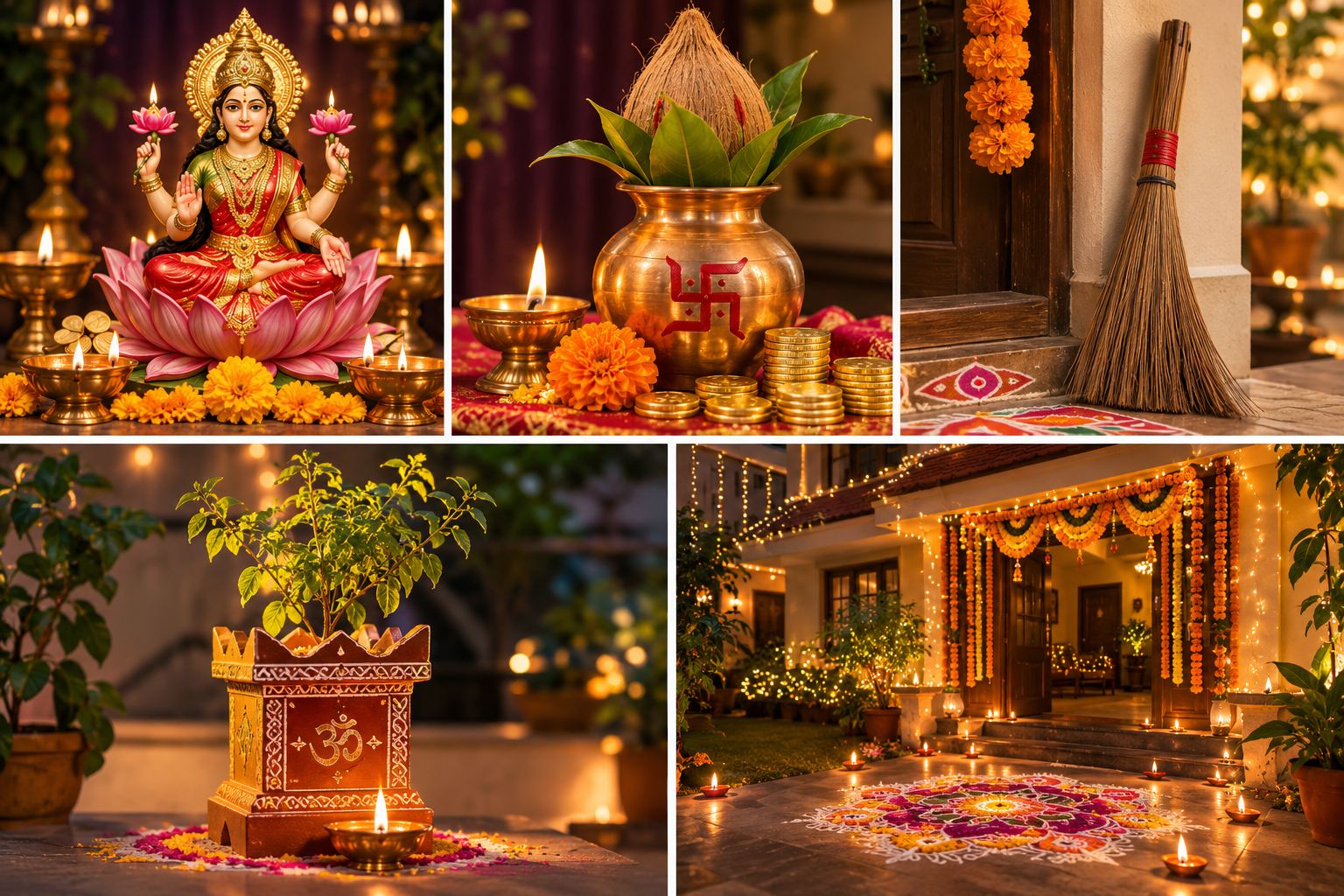
Worship of the broom (kersuni) in Maharashtra
In many Maharashtrian homes a new broom, called kersuni, is bought on Dhanteras and worshipped on the Lakshmi Puja evening with kumkum, turmeric and a flower. It is not treated as superstition about a household object but as respect for the work of cleanliness, which Lakshmi is believed to favour. Some families keep the broom out of sight after the puja and use it from the next morning.
Chopdi pujan for traders and families
Business families open a new ledger on this day. They write “Shubh Labh” and a swastika on the first page, place the ledger, the pen and the cash box before Lakshmi, and worship them. The custom marks the beginning of a new business year in many trading communities. Modern habit: use the day to set up your accounts for the coming year — a household budget, an expense tracker, a list of dues to pay and a savings target. Done honestly, this is the most effective “upay” of all.
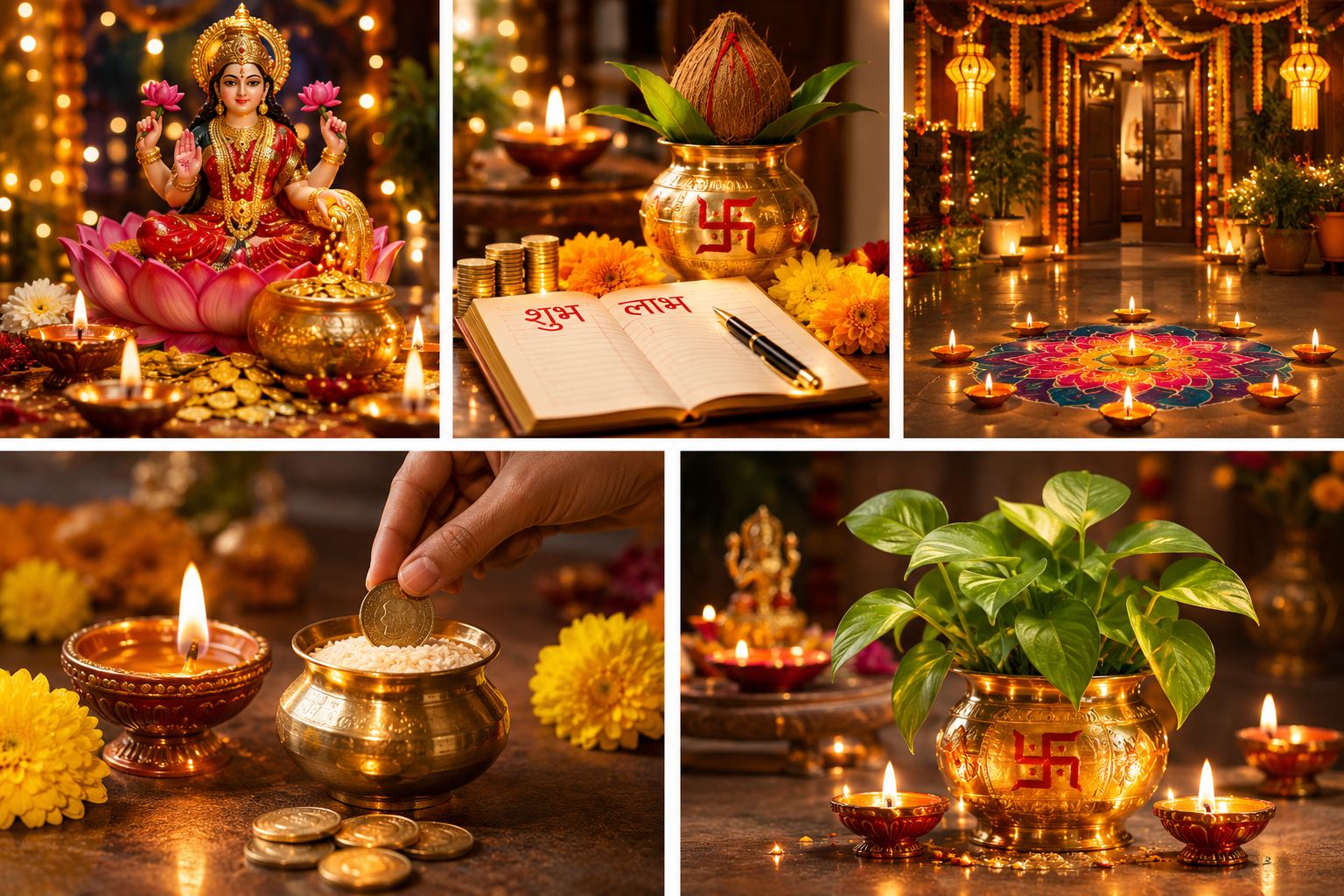
What about money plants, tortoises and crystal pyramids?
Many shops sell money plants, brass or metal tortoises and crystal pyramids as “Vastu items for wealth” around Diwali. These are popular modern customs, not part of the Lakshmi Puja in the scriptures, and there is no evidence that any of them increases income. If a plant or a small figure makes your home feel welcoming, there is no harm; do not spend large sums on them or on anyone who promises results.
Practical money habits to pair with the customs
- Set a festival budget before shopping and stay inside it; avoid borrowing on credit cards for Diwali purchases.
- Clear small dues before the year begins, and settle debts with those you owe.
- Record spending in a notebook or an app, even a simple one. Review it at Bhau Beej.
- Build an emergency fund of a few months of expenses before you buy gold or gifts. This is general guidance, not investment advice.
- Check insurance for health, life and home, and update nominee details.
- Give a fixed share to charity, a temple or a person in need; many families do this on Lakshmi Puja.
Beliefs and habits to avoid
- Gambling on Diwali night. Some families play cards on the Lakshmi Puja night as a custom. It is gambling; money can be lost, and it is illegal in public places in many states. Avoid it, and never stake money you cannot afford to lose.
- “Guaranteed wealth” offers. Gemstones, yantras, “special Diwali mantras” sold online or on the phone for a fee and promises of lottery wins are common scams. Do not pay anyone who promises money.
- Borrowing to buy gold only because of the date.
- Wasting food and electricity in the name of decoration.
Lakshmi Puja timing for the customs (Nashik, 8 November 2026)
| Time (IST) | Custom |
|---|---|
| Before 5:57 PM | Finish cleaning, rangoli, footprints and the chowki |
| 5:57 PM | Pradosh Kaal begins: light the diyas at the door, courtyard and tulsi |
| 6:22–8:22 PM | Lakshmi Puja muhurat: puja, kalash, chopdi pujan and aarti |
| 8:30 PM | Pradosh ends: share prasad and faral; keep a lamp burning at the entrance |
Related Diwali guides
Read the Lakshmi Puja 2026 muhurat and vidhi, the Dhanteras 2026 guide and the Diwali 2026 calendar.
Frequently Asked Questions
Do Diwali remedies guarantee wealth?
No. They are traditional customs done with gratitude and hope; no custom, mantra or object can guarantee wealth. Pair them with a budget, savings and honest work.
What are the main Diwali customs for prosperity?
A clean and lit home, rangoli with Lakshmi’s footprints, the kalash, worship of the broom and the account books (chopdi pujan), diyas at the door and near the tulsi, and giving to others.
What is chopdi pujan?
Chopdi pujan is the worship of the new account books on the Lakshmi Puja evening. “Shubh Labh” and a swastika are written on the first page, and the book, pen and cash box are placed before Lakshmi.
Are money plants, tortoises and crystals part of Lakshmi Puja?
No. They are popular modern “Vastu” items, not part of the traditional puja, and there is no evidence that they increase income. Avoid spending large sums on them.
Should we gamble on Diwali night?
Gambling is a risk to your money and is illegal in public places in many states. Even where it is a family custom, avoid staking money you cannot afford to lose.
What is the best time for the Diwali prosperity customs in Nashik?
The Lakshmi Puja evening of Sunday, 8 November 2026: Pradosh Kaal 5:57–8:30 PM and the puja muhurat 6:22–8:22 PM (Drik Panchang, Nashik).
Why is the broom worshipped on Diwali?
In many Maharashtrian homes the new broom (kersuni) is worshipped as a sign of cleanliness and Lakshmi’s arrival, because the goddess is believed to favour clean homes.
What practical habits go with the Diwali customs?
Set a festival budget, clear small dues, record spending, build an emergency fund before buying gold and review insurance. These are general habits, not investment advice.
How can I avoid Diwali wealth scams?
Do not pay anyone who promises money through gemstones, yantras, special mantras or lottery wins. No custom or object can guarantee wealth.
Sources
Ready to plan your Kumbh Mela trip?
Book hotels, parking, and event passes near Ramkund in one AI chat.