Diwali 2026 Date: When Is Diwali? Significance, History and Celebrations
Diwali falls on Sunday, 8 November 2026. The five-day calendar for Maharashtra, why the festival is celebrated, its history and how to prepare.
Diwali 2026 falls on Sunday, 8 November 2026. Lakshmi Puja is performed in the evening of that day, on Kartik Amavasya. In Nashik the Amavasya tithi runs from 11:27 AM on 8 November to 12:31 PM on 9 November, and the Lakshmi Puja muhurat is 6:22 PM to 8:22 PM (Drik Panchang, Nashik, IST).
Last updated: 3 November 2026
When is Diwali in 2026?
Diwali, or Deepavali, is the festival of lights, celebrated over five days in the Hindu month of Kartik. The main day is the new-moon (Amavasya) evening, when homes are lit with diyas and families worship Goddess Lakshmi and Lord Ganesha. In 2026 that evening is Sunday, 8 November.
Because the Amavasya tithi only begins at 11:27 AM on 8 November in Nashik, the morning belongs to Naraka Chaturdashi (the day of the Abhyang Snan) and the Lakshmi Puja takes place after sunset, during Pradosh Kaal. That is why Naraka Chaturdashi and Lakshmi Puja share the same calendar date this year.
Diwali 2026 calendar for Maharashtra
| Festival | Date (2026) | What to know |
|---|---|---|
| Govatsa Dwadashi / Vasubaras | Thu, 5 November | Cow-and-calf worship in the evening, the traditional start of Diwali in Maharashtra |
| Dhanteras (Dhanatrayodashi) | Fri, 6 November | Trayodashi from 10:30 AM on 6 Nov to 10:47 AM on 7 Nov; puja muhurat 6:30–8:29 PM in Nashik |
| Naraka Chaturdashi (Abhyang Snan) | Sun, 8 November | Chaturdashi ends 11:27 AM on 8 Nov; Abhyang Snan 5:42–6:40 AM in Nashik |
| Lakshmi Puja (Diwali) | Sun, 8 November | Puja muhurat 6:22–8:22 PM in Nashik; Pradosh Kaal 5:57–8:30 PM |
| Govardhan Puja / Diwali Padwa / Bali Pratipada | Mon, 9 November in Nashik (some calendars: Tue, 10 Nov) | Drik Panchang (Nashik): Pratipada 12:31 PM on 9 Nov to 2:00 PM on 10 Nov; Govardhan Puja evening muhurat 3:42–5:57 PM on 9 Nov, with Bali Pratipada the same day |
| Bhai Dooj (Bhau Beej) | Wed, 11 November | The afternoon window falls on 11 Nov |
The Padwa and Govardhan Puja date depends on which day the Pratipada tithi is observed. For Nashik, Drik Panchang places Govardhan Puja and Bali Pratipada on Monday, 9 November (Pratipada runs from 12:31 PM on 9 November to 2:00 PM on 10 November), while other calendars list Tuesday, 10 November. Check your family panchang before you plan.
What is the significance of Diwali?
Diwali is about the victory of light over darkness and of knowledge over ignorance. Different communities tell different stories, and all of them are part of the festival:
- Return of Lord Rama. In much of India, Diwali remembers Lord Rama’s return to Ayodhya after fourteen years of exile and the defeat of Ravana. The people of Ayodhya lit rows of lamps to welcome him.
- Worship of Goddess Lakshmi. Lakshmi, the goddess of prosperity, is believed to have risen from the churning of the ocean (Samudra manthan), and her worship on the Amavasya night is the centre of Diwali.
- Naraka Chaturdashi. The day before is linked to Lord Krishna’s victory over the demon Narakasura.
- Bali Pratipada. In Maharashtra and parts of South India, Padwa honours the generous King Bali.
- Other traditions. Jains observe Diwali in remembrance of Mahavira’s nirvana, and Sikhs celebrate Bandi Chhor Divas.
History of Diwali in brief
Diwali is one of the oldest festivals still celebrated. Ancient Sanskrit texts, including the Padma and Skanda Puranas, mention the festival of lamps, and it was originally tied to the harvest and the end of the monsoon season. Over the centuries the festival gathered the stories above, so today Diwali means something slightly different in Ayodhya, in Gujarat, in Maharashtra and in the South — yet the lamp, the cleaned home and the family gathering stay the same.
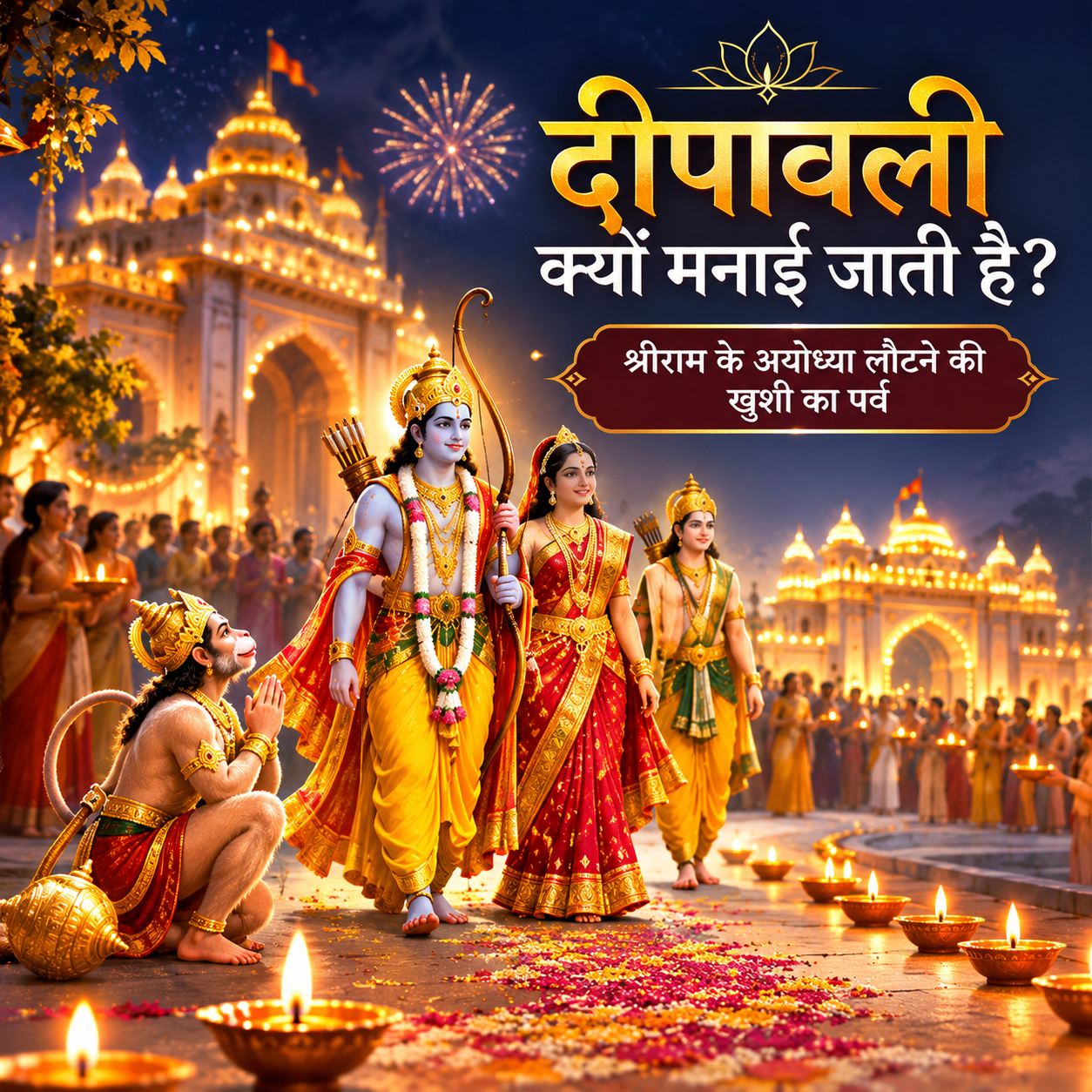
The five days of Diwali
- Vasubaras / Govatsa Dwadashi — in Maharashtra the festival opens with the worship of the cow and calf.
- Dhanteras — worship of Lakshmi, Kubera and Dhanvantari, and the tradition of buying something new. Read the Dhanteras 2026 guide.
- Naraka Chaturdashi — an oil bath with ubtan at dawn, followed by the first diyas and the faral sweets.
- Lakshmi Puja — the main evening: diyas, rangoli and the puja. See the Lakshmi Puja 2026 guide for the full vidhi.
- Padwa / Govardhan Puja and Bhai Dooj — husbands and wives exchange gifts and the aukshan ritual in Maharashtra, Annakut is offered in many places, and brothers and sisters celebrate Bhau Beej.
How Maharashtra celebrates Diwali
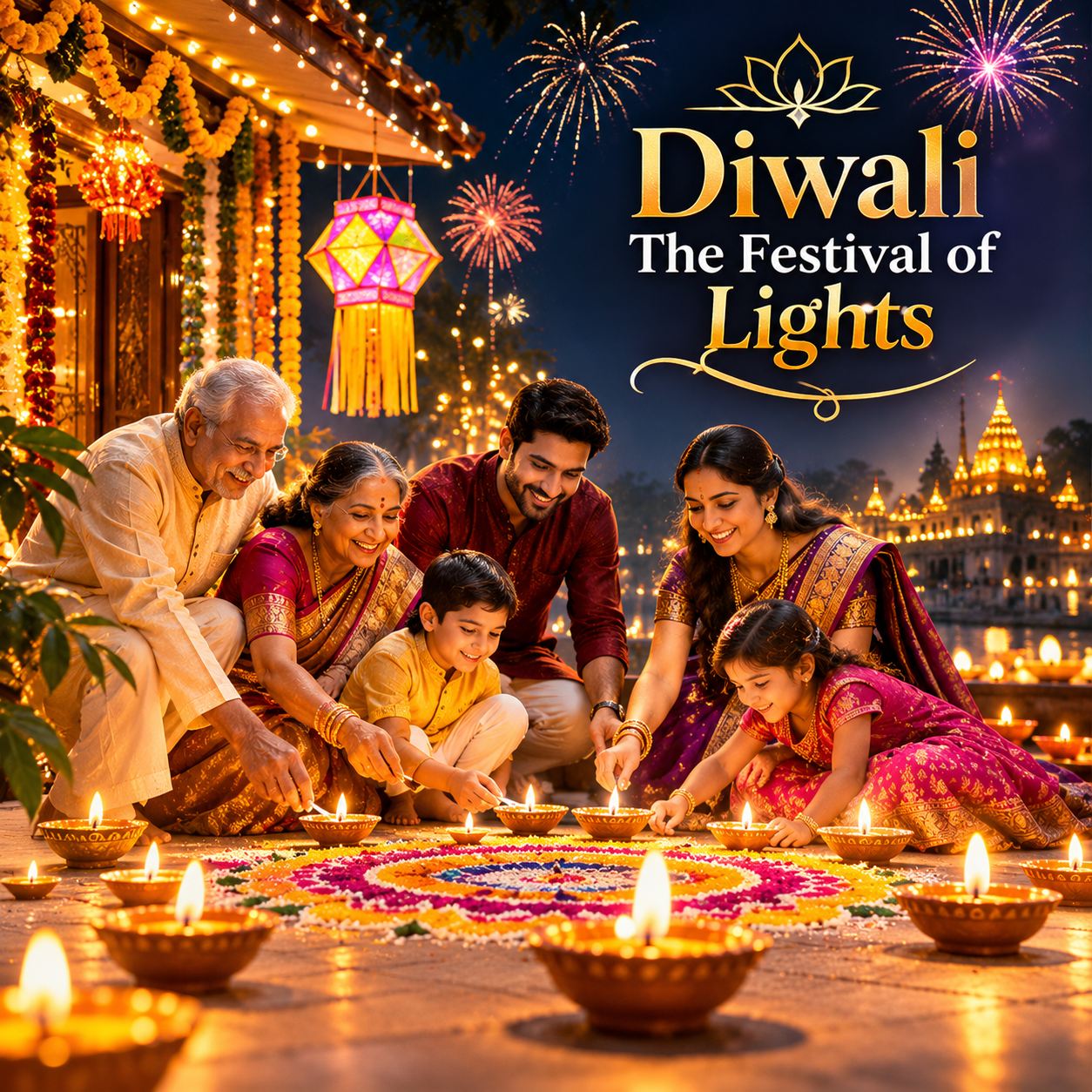
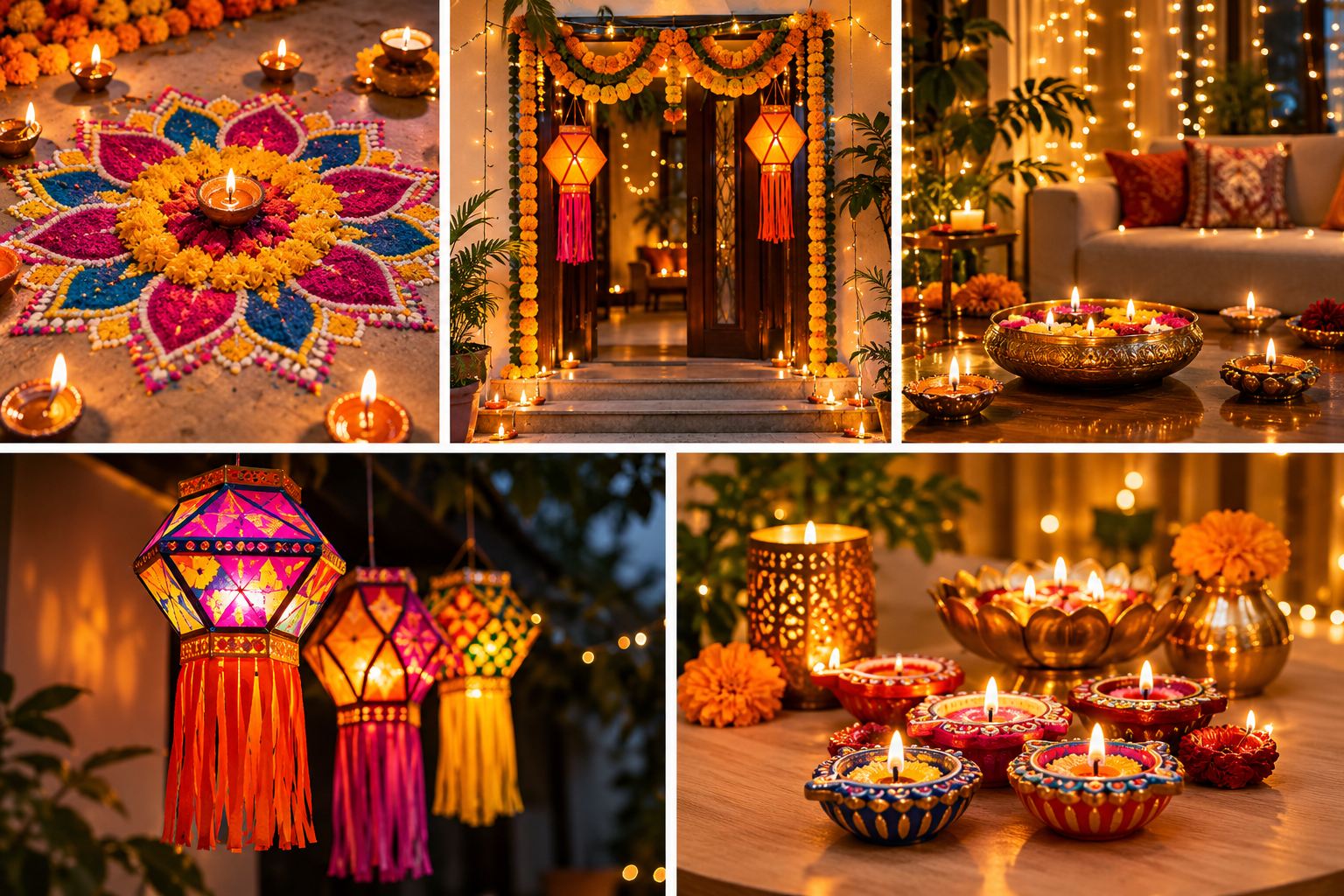
The Maharashtrian Diwali has its own signs: the akash kandil (a star-shaped lantern) hung outside the home, rangoli at the door, the dawn bath with ubtan, and the faral — chakli, ladoo, karanji, shankarpale and chivda — shared with neighbours. The Lakshmi Puja is often combined with the worship of account books (chopda pujan) in business families, and Padwa is a day for the wife’s aukshan of the husband.
Diwali in Nashik during the Simhastha Kumbh
This year Diwali falls in the first weeks of the Nashik–Trimbakeshwar Simhastha Kumbh Mela, whose Dhwajarohan took place on 31 October 2026. If you are in Nashik, expect larger crowds than usual around Ramkund and Panchavati in the evenings, and plan travel and parking early. Our Nashik Kumbh Guide and the Shahi Snan dates page cover the Kumbh calendar.
How to prepare for Diwali
- Clean and declutter the home before Dhanteras; many families finish this before 5 November.
- Buy diyas, flowers and puja items early — marigold and lotus prices rise on 7–8 November.
- Plan the rangoli and lighting for the evening of 8 November, and keep the puja thali ready by 6 PM.
- Burn crackers responsibly and respect local rules and quiet hours; keep pets, children and elders safe.
Vasubaras: the Maharashtrian start of Diwali
Maharashtra opens Diwali a day before Dhanteras with Vasubaras (Govatsa Dwadashi). In the evening families wash and decorate a cow and her calf, apply haldi and kumkum, offer fodder, jaggery and flowers, and do an aarti. The day honours the cow as a giver of nourishment and marks the quiet beginning of the festival of lights. In 2026 it falls on Thursday, 5 November.
Naraka Chaturdashi: the dawn of the first diyas
On Sunday, 8 November, the Abhyang Snan window in Nashik is 5:42 AM to 6:40 AM. Families rub ubtan (a paste of gram flour, turmeric and fragrant oils) and sesame oil on the body, bathe before sunrise and light the first diyas of the day. The ritual remembers Lord Krishna’s victory over Narakasura, and the day is also called Choti Diwali. A sweet faral breakfast follows.
Diwali across India: names and customs
| Region | How it is celebrated |
|---|---|
| Maharashtra | Vasubaras, Abhyang Snan, faral, Lakshmi Puja, Padwa with aukshan, Bhau Beej |
| Gujarat | Lakshmi and Sharda Puja with account books; the Gujarati New Year (Bestu Varas) begins the day after Diwali |
| North India | Lord Rama’s return, Lakshmi Puja, Govardhan Puja and Annakut, Bhai Dooj |
| South India | Deepavali with an early-morning oil bath on Naraka Chaturdashi, new clothes and sweets |
| Bengal and Odisha | Kali Puja on the Amavasya night, with lamps and earthen diyas |
| Jain and Sikh communities | Mahavira’s nirvana for Jains; Bandi Chhor Divas for Sikhs |
Faral: traditional Diwali snacks
- Chakli — spiral, crunchy rice-flour snack
- Ladoo — besan or rava ladoo with ghee and dry fruits
- Karanji — crescent pastry filled with coconut and jaggery or khoya
- Shankarpale — sweet or salted diamond-cut crisps
- Chivda — spiced flattened-rice mix with peanuts and curry leaves
- Anarsa — rice-flour sweet rolled in poppy seeds
An eco-friendly and safe Diwali
- Choose clay (matti) diyas over plastic or electric ones and refill the oil instead of discarding them.
- Use flower-petal or natural-colour rangoli, which is safe for children, pets and drains.
- Prefer low-noise, low-smoke crackers, follow your city’s time limits and keep a bucket of water nearby.
- Do not leave diyas unattended near curtains, and keep children away from open flames.
- Share the faral and sweets with neighbours and those who cannot celebrate in a big way.
All Diwali 2026 guides
- Govatsa Dwadashi (Vasu Baras), 5 Nov
- Dhanteras, 6 Nov
- Lakshmi Puja, 8 Nov
- Lakshmi Ji Aarti: lyrics and meaning
- Traditional customs for prosperity
- Diwali Padwa and aukshan
- Govardhan Puja and Annakut
- Bhai Dooj (Bhau Beej), 11 Nov
- Diwali decoration ideas
Frequently Asked Questions
When is Diwali in 2026?
Diwali is on Sunday, 8 November 2026. Lakshmi Puja is performed in the evening on Kartik Amavasya; in Nashik the muhurat is 6:22 PM to 8:22 PM (Drik Panchang, IST).
Why do Naraka Chaturdashi and Diwali fall on the same day in 2026?
The Chaturdashi tithi ends at 11:27 AM on 8 November in Nashik and the Amavasya tithi begins at the same time. The Abhyang Snan is done at dawn on 8 November and the Lakshmi Puja in the evening of the same day.
Why do some calendars show Naraka Chaturdashi on 7 November?
Chaturdashi begins at 10:47 AM on 7 November, so a few calendars use that date. Because it is still in force at sunrise on 8 November, Drik Panchang and most Indian calendars place the Abhyang Snan on 8 November.
Is Govardhan Puja on 9 or 10 November in 2026?
For Nashik, Drik Panchang lists Govardhan Puja and Bali Pratipada on Monday, 9 November, because Pratipada begins at 12:31 PM that day and the evening muhurat is 3:42–5:57 PM. The tithi runs until 2:00 PM on 10 November, so some calendars list Tuesday, 10 November. Check your local panchang.
Why is Diwali celebrated?
Different traditions give different reasons: Lord Rama’s return to Ayodhya, the worship of Goddess Lakshmi, Krishna’s victory over Narakasura and King Bali’s story in Maharashtra. All of them celebrate the victory of light over darkness.
How many days is Diwali 2026?
Diwali is a five-day festival: Dhanteras (6 November), Naraka Chaturdashi and Lakshmi Puja (both 8 November), Govardhan Puja / Padwa (9 November in Nashik, 10 November in some calendars) and Bhai Dooj (11 November). Maharashtra begins a day earlier with Vasubaras on 5 November.
What is Choti Diwali and when is it in 2026?
Choti Diwali is another name for Naraka Chaturdashi. In 2026 it falls on Sunday, 8 November, the same day as the main Lakshmi Puja, with the Abhyang Snan at dawn (5:42–6:40 AM in Nashik).
What is Vasubaras?
Vasubaras, or Govatsa Dwadashi, is the Maharashtrian start of Diwali, when a cow and her calf are worshipped in the evening. In 2026 it is on Thursday, 5 November.
Is the Gujarati New Year the day after Diwali?
Yes, the Gujarati New Year (Bestu Varas) begins the day after Diwali, on the Pratipada that also marks Govardhan Puja and Padwa. Check your local panchang for the exact date.
Sources
Ready to plan your Kumbh Mela trip?
Book hotels, parking, and event passes near Ramkund in one AI chat.